

If you've landed here, you've probably seen the word peptides everywhere — recovery circles, skincare, longevity forums — and wondered what it actually means. Here's the plain-English version.
Peptides are short chains of amino acids, the same building blocks that make up proteins, just smaller. Your body already makes thousands of them, and they act like tiny messengers that carry instructions between cells. Because each one is so specific, researchers have spent decades studying individual peptides to understand what each signals.
Why people pay attention
Different peptides are being studied for very different things, and that specificity is the whole appeal. A compound researchers associate with tissue repair is a completely different molecule than one being investigated for metabolism or skin. A few that come up often:
- BPC-157 and TB-500 — frequently referenced in recovery and tissue-repair research.
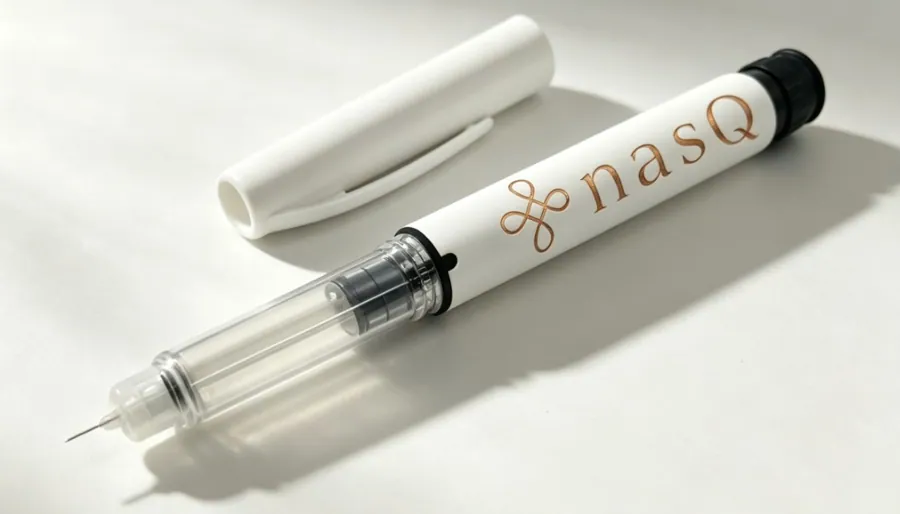
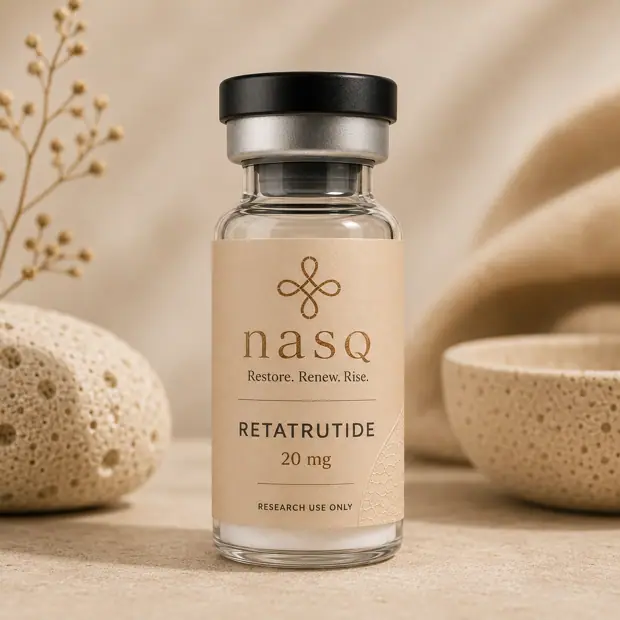
- Retatrutide — one of the more talked-about compounds in metabolic research currently under investigation.
- GLOW blends — explored in the skin, hair, and appearance conversation.
"Research use only" — what it means
Most of these compounds are sold as research materials, not consumer products, and are not FDA-approved for human use. So when you read about what a peptide "does," what's really being described is what researchers are studying it for — not a promised outcome. We keep that distinction honest throughout this journal, and every product ships with a certificate of analysis so you can verify purity.
Where to start
Begin with the question behind your interest — recovery, skin, metabolism — and read that specific guide. The science is compound-specific, so a targeted answer helps far more than a general one.
Frequently asked
Are peptides the same as proteins?
Same building blocks, shorter chains. Peptides are generally under ~50 amino acids; longer chains are proteins.
How are peptides verified?
Reputable sources publish third-party COAs confirming identity and purity — something we consider non-negotiable.