Home · All Peptides · BPC-157
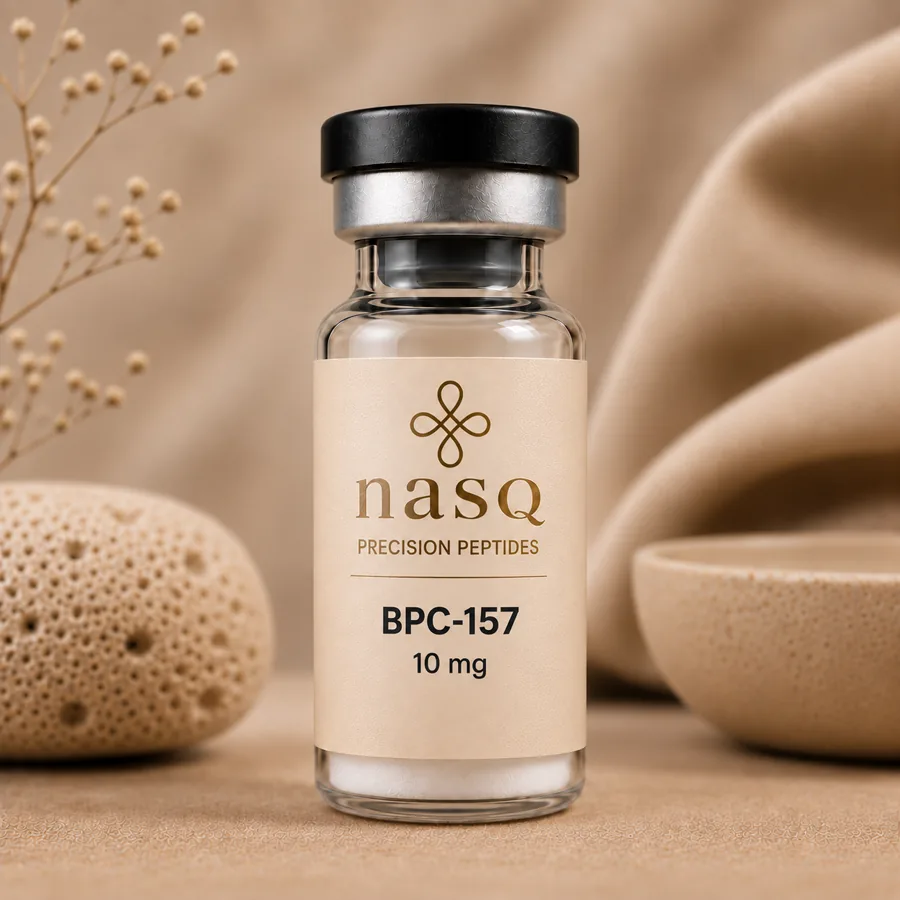
BPC-157
$79.99
Strength
Pack size
View Certificate of Analysis
COA Available Batch Documentation Ships from Canada ≥99.7% Purity
BPC-157 is a synthetic pentadecapeptide (15 amino acids) derived from a partial sequence of a protective protein identified in gastric juice. Supplied as a lyophilized powder, it is intended for in-vitro laboratory research into tissue-repair signaling, angiogenesis, and cytoprotective pathways.
In the preclinical literature, BPC-157 is studied as a stable peptide used in models of tissue integrity, vascular biology, and cellular signaling. It is frequently applied to investigate wound-healing and regeneration pathways in laboratory settings.
Every lot is independently tested for identity and purity by SideChain Analytics (HPLC-MS/MS), and a Certificate of Analysis is available for each batch. Produced and shipped from within Canada.
Available exclusively for in-vitro laboratory research. Not a drug, natural health product, or food; not for human or veterinary use, and not evaluated for diagnostic or therapeutic application. Researchers are responsible for compliance with all applicable regulations.
Reported in preclinical, in-vitro literature in the following research areas:
• Tissue-repair & regeneration signaling
• Angiogenesis and vascular models
• Cytoprotection pathway research
• Gut and connective-tissue models
These are areas of laboratory investigation only. No physiological, clinical, or health outcome is claimed or implied for any use of this compound.
In published preclinical research, BPC-157 has been reported to influence growth-factor and nitric-oxide signaling and to promote angiogenic and cytoprotective responses in laboratory models. Its precise molecular mechanism remains an active area of study.